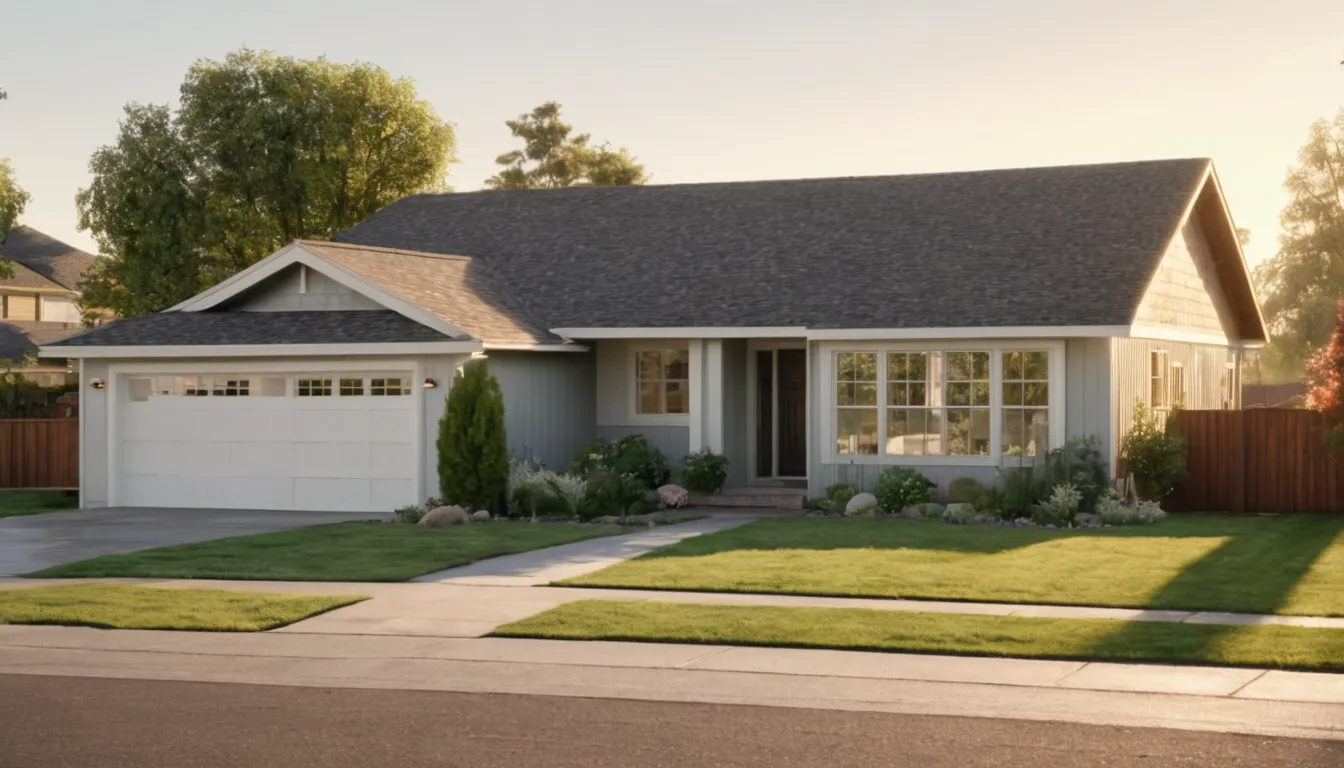
Need polyaspartic floor coating in Afton?
Request an estimate online, or request a callback to check provider availability. A few photos and notes make the match smoother.
No obligationRequest an estimate with your photos
A lot of people think polyaspartic is a spray-on miracle that fixes any floor in an afternoon. In practice, it is a hard, clear-to-colored coating that cures faster than most epoxy and holds up well to sunlight, tire marks and winter road salt. It still needs a clean, sound, properly ground slab underneath.
Oscartargeted Floor Coating is a referral service. We do not coat floors ourselves. We help homeowners in Afton and the Afton area get organized, then connect them with independent providers in our network who set their own prices and schedules. Prep decides everything, so start with photos, a few notes and a clear idea of what you want your floor to do.
A lot of people think polyaspartic means a floor done overnight. In practice, the coating itself cures quickly, but good work still starts with grinding and repair. Many garages take a day or two. Your provider sets the real schedule.
If a move-in date, a new car or a holiday gathering is pushing you, say so early. It helps a provider plan.
Before you contact anyone, spend ten minutes with your phone. Take wide shots of the whole floor. Then take close-ups of cracks, oil stains, flaking paint and any damp spots near the walls.
Add a few notes. How old is the slab? Was it ever sealed or painted? Does water creep in after storms? Put it all in one folder with dates. Providers can give a sharper estimate when they see the same things you see.
This folder also helps if you ever talk to an insurer. Some policies may cover sudden damage, so check your policy. Providers can often help document damage for a claim. Slow wear and tear is usually treated differently.
Myth: polyaspartic is just fancy epoxy. It is a different chemistry. Polyaspartic goes on thinner, cures faster and resists UV light, so it is less likely to turn yellow in a sunny garage.
Epoxy often has a thicker build and can cost less. Neither one is better in every case. The right pick depends on your slab, your budget and how you use the space.
A full system uses polyaspartic for the primer, base and topcoat. A hybrid uses an epoxy base with a polyaspartic topcoat. Each has fans.
Hybrids can suit slabs that need a thicker build to hide pitting. Full systems suit people who want the shortest project window. Ask the provider why they lean one way, and ask to see it in writing.
This one causes the most peeling. Fast curing leaves less time to fix mistakes, so prep matters even more.
Read the slab first. A provider should look at old sealers, oil soaked into the concrete, hairline cracks and moisture. Most will use a diamond grinder to open the surface. A quick rinse and roll is not the same thing.
Here is what a typical job looks like:
Your provider will tell you when you can walk on it and when you can park again. Follow their timing, not a guess from a can label.
Garages are the classic spot. It also suits workshops, porches, patios and entry slabs that get sun. In older bungalows and ranch homes, a coated garage floor can make a tired space feel finished.
Basements are trickier. Full basements with sump pumps can have moisture rising through the slab. A provider should test before coating anything below grade.
A quick side note: some providers in our network also handle hardwood flooring installation inside the house. That is a separate job, so mention it when you ask for an estimate.
Cold winters with deep frost make a slab hold chill long after the air warms. Polyaspartic tolerates cooler conditions better than many coatings, but the concrete still has to be dry and within the product's range.
Hot, humid summers bring their own problem. Heat shortens working time, and damp air can leave moisture on the surface. Spring flooding and heavy rain can soak a slab for days. Hail and thunderstorms can also push schedules around.
Many homeowners find that early fall and dry stretches in late spring are easy windows. Ask your provider what they prefer.
A flake blend hides dirt, small chips and tire marks. Solid colors look sleek but show dust more. Lighter floors brighten a dim garage. Darker ones hide stains.
Some providers offer custom floor finishes, like metallic swirls or a mix of flakes and a clear topcoat. Ask to see a sample board in your own garage light. Colors look different under a bulb than in a showroom.
A coated floor is easy to keep clean, but it is not indestructible. Sweep or dust mop often. Wash with mild cleaner and a soft mop. Wipe spills when you see them.
Skip harsh solvents and stiff wire brushes. Use mats under jack stands, and lift heavy tools instead of dragging them. In winter, wipe off salty slush so it does not sit.
Write your answers down next to each estimate:
Gather your photos and notes, then ask for a few written quotes so you can compare them side by side.
Request a callback to check provider availability, or use the estimate form if that suits you better.
A provider looks at cracks, stains, old coatings and moisture before suggesting a system.
Grinding and crack repair open up the concrete so the coating can grip for years.
Base coat and optional flakes add color, texture and grip to a bare, dusty garage floor.
A UV-stable finish protects the surface and makes sweeping and mopping much easier.
Prices vary with slab condition, floor size, system type and local rates. These are typical U.S. ranges, not quotes. Ask each provider for a written, itemized estimate so you can compare fairly.
| Item | Typical range | Notes |
|---|---|---|
| Full polyaspartic, 2-car garage | $3,500 – $6,500 | Depends on size, flakes and slab condition |
| Hybrid epoxy base with polyaspartic top | $3,000 – $5,500 | Often used when a thicker build is wanted |
| Price per square foot, installed | $5 – $12 | Higher for custom or heavily damaged slabs |
| Grinding and surface prep | $1 – $3 per sq ft | Sometimes included in the main price |
| Crack and joint repair | $200 – $800 | Varies with how many cracks and how wide |
| Decorative flake or metallic upgrade | $1 – $4 per sq ft | Adds labor and material |
Snap wide and close-up shots of cracks, stains and damp spots, and jot down notes.
Send your details and photos through the form, or use the phone as backup.
Check prep, system type, coats and warranty side by side.
Pick a dry window with your provider and clear the garage in advance.
Photos and notes in one folder help providers understand your floor and give clearer estimates.
We explain what polyaspartic can and cannot fix, so surprises are fewer.
Each provider sets their own prices, schedule and warranty terms, in writing.
Local weather shapes timing, so you can plan around frost, humidity and rain.
Request an estimate online, or request a callback to check provider availability. A few photos and notes make the match smoother.
No obligationMany garages take one to two days, since polyaspartic cures faster than most epoxy. Slab condition, weather and the system type all matter. Your provider will give a schedule and tell you when it is safe to walk and park.
Not always. Polyaspartic resists sunlight and cures quickly, while epoxy can cost less. The right choice depends on your slab, budget and how much sun the floor gets.
Often, yes, since it tolerates cooler temperatures better than many coatings. The slab still must be dry and within the product's range. Ask your provider what temperature limits they follow.
Request an estimate online, or request a callback to check provider availability. A few photos and notes make the match smoother.
No obligation